Last updated November 20, 2026
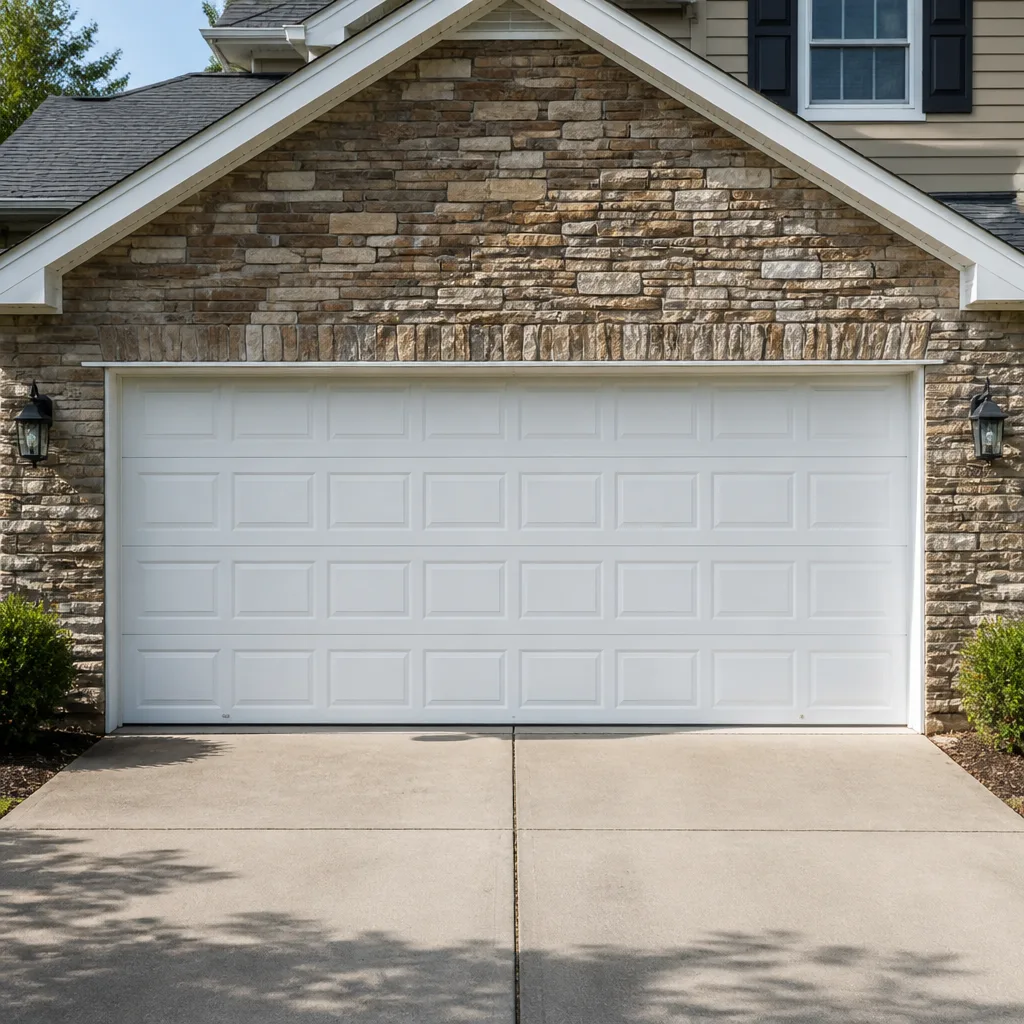 Raised-panel steel
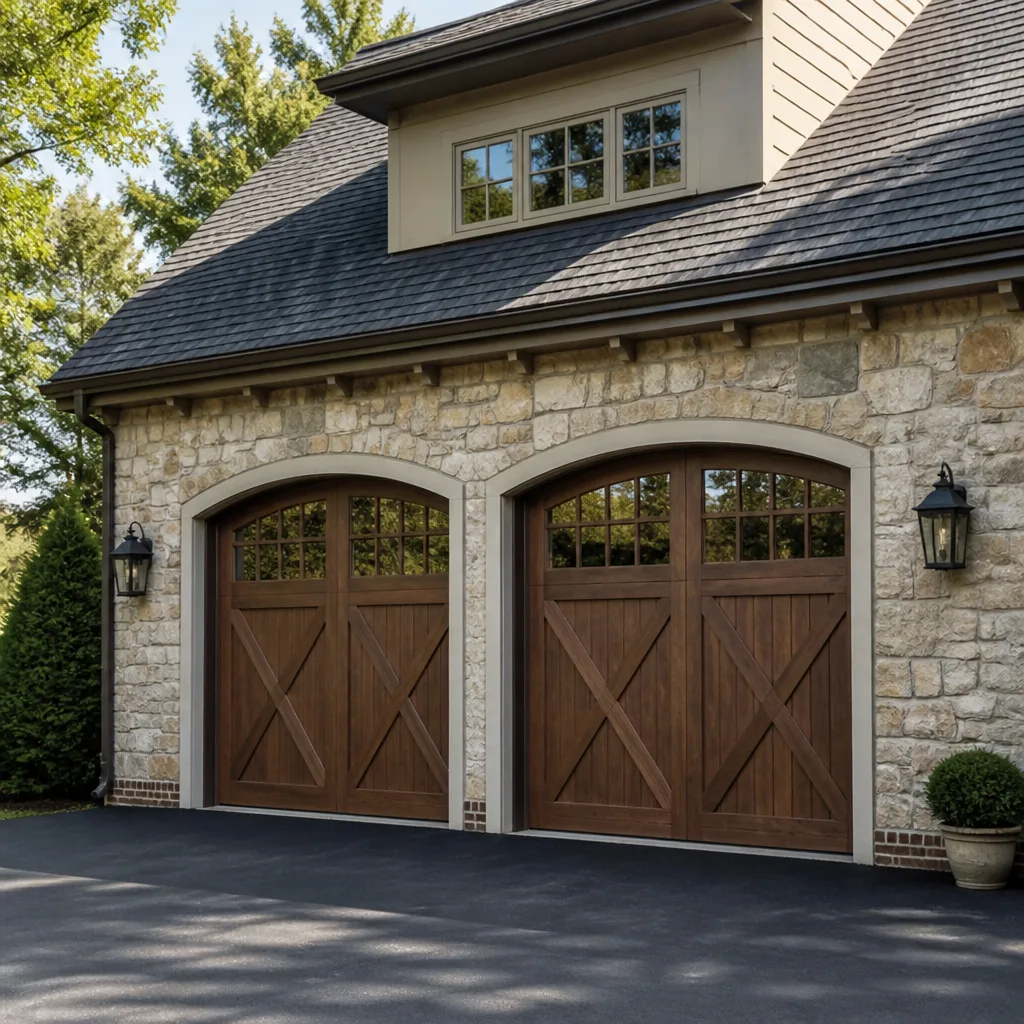 Carriage house
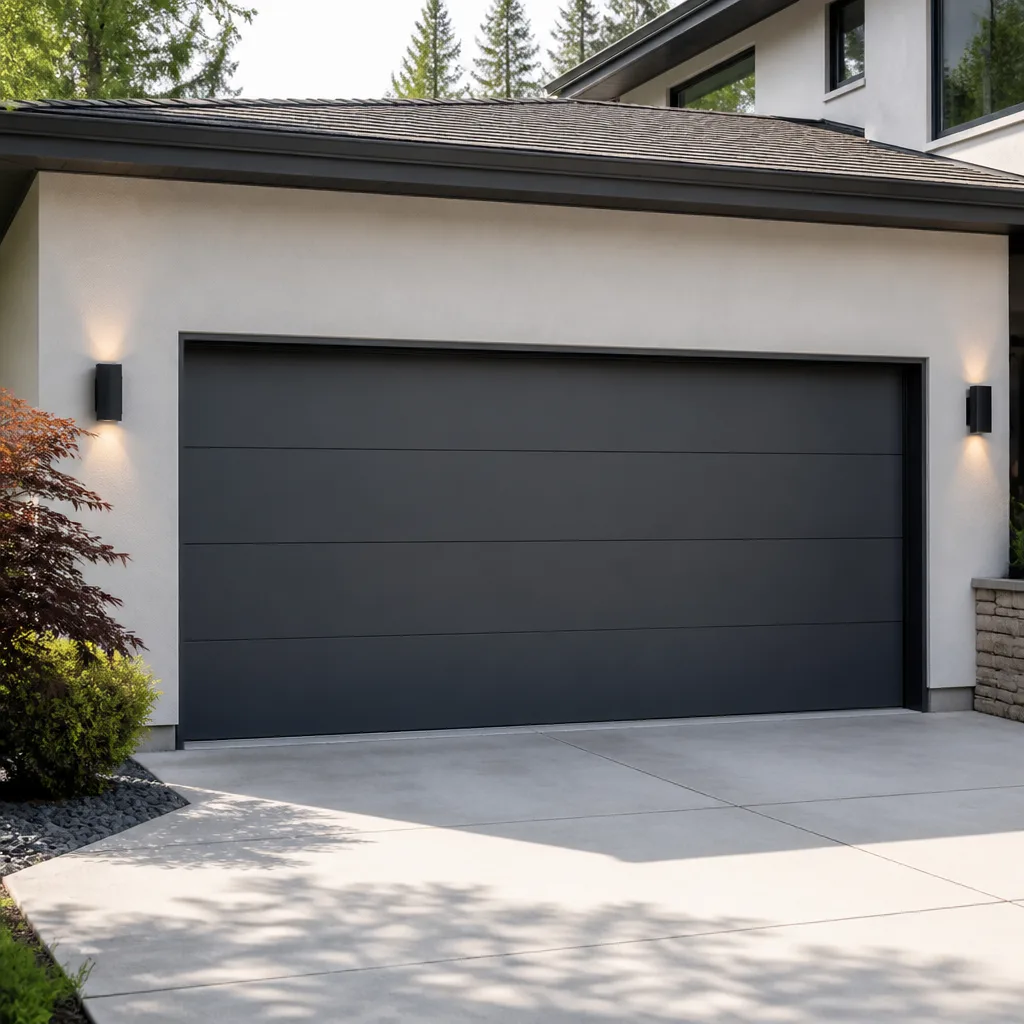 Modern flush
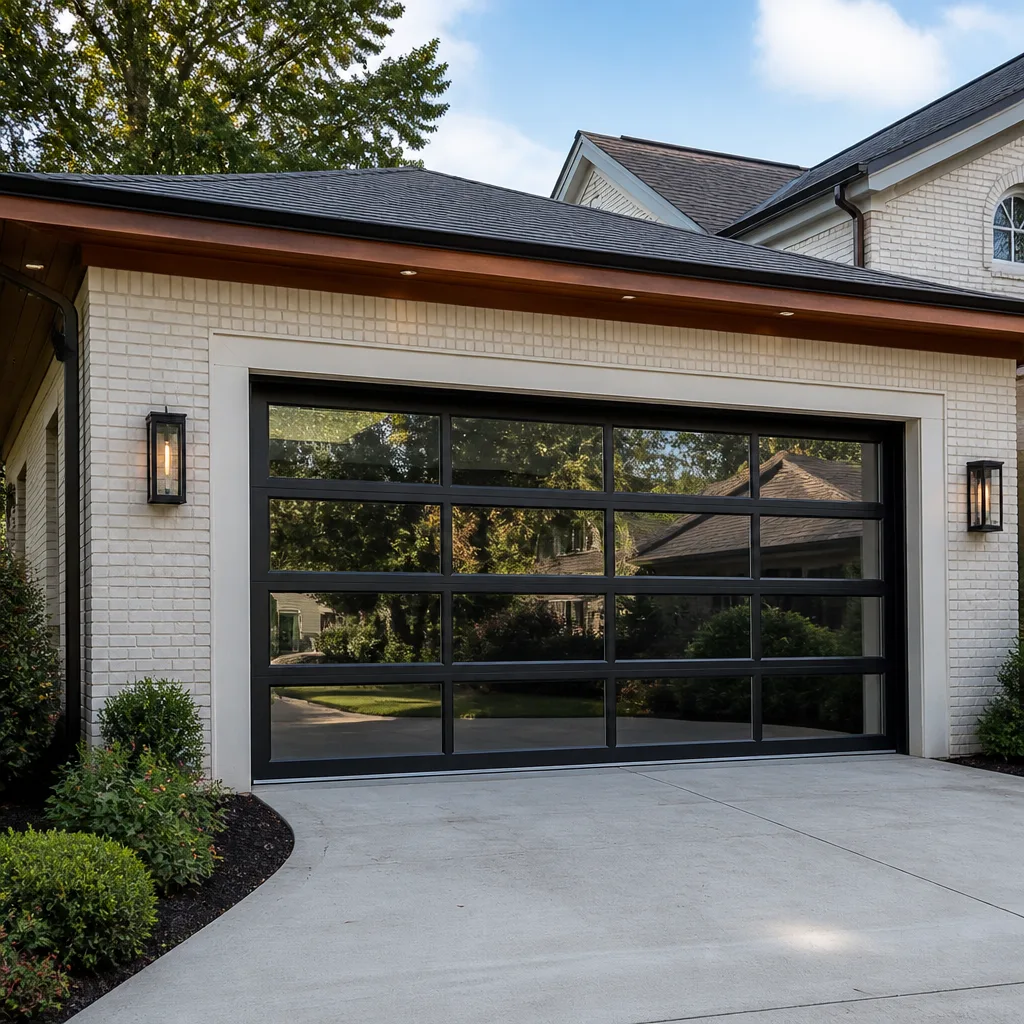 Full-view glass
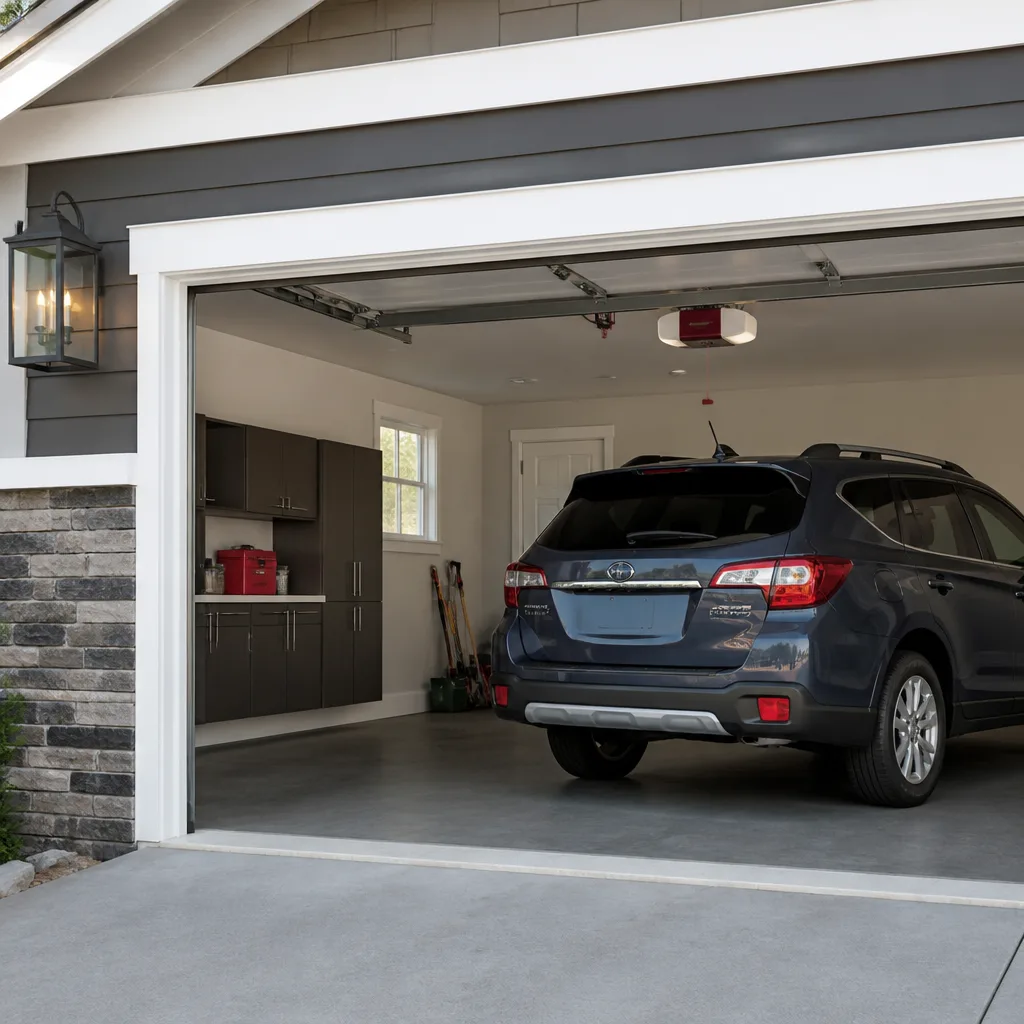 LiftMaster openers
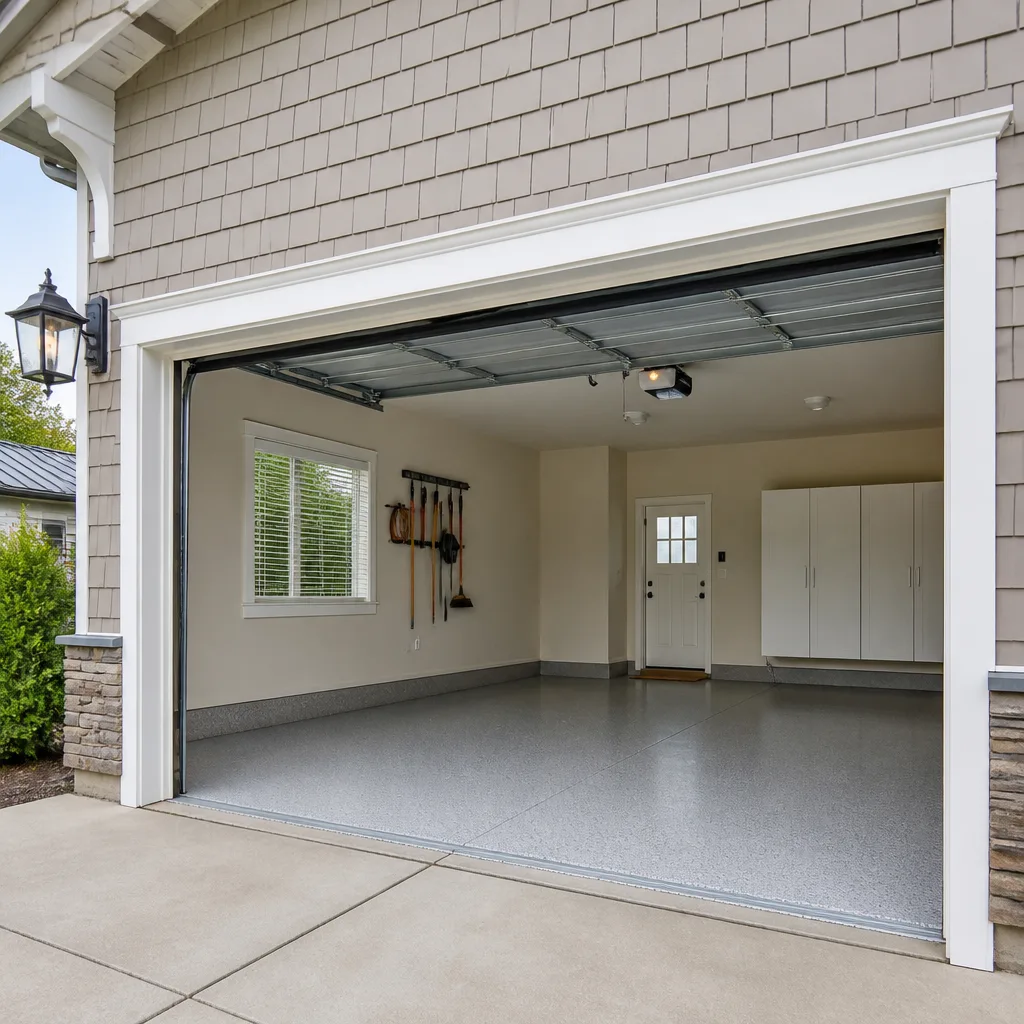 Chamberlain openers
Full 25-point door and opener safety check with every visit - springs, cables, rollers, tracks, and your LiftMaster or Chamberlain opener included
You get a price before we start. It does not change when the pro arrives.
Get your free estimateThe Complete Guide to Garage Doors in Deerfield Beach
Most garage door guides you’ll find online are written for places with hard winters. They warn about frozen tracks, ice dams and the damage a deep freeze does to springs and cables. That advice doesn’t apply here, and following it can actually cost you money in Deerfield Beach. The real enemy of a garage door in this climate is moisture, wind-driven rain and the steady corrosion that comes with living in a warm, humid, storm-prone part of South Florida. That one shift changes how you maintain a door, which materials you should buy, and how long you can expect parts to last. This guide covers all of it: how local conditions wear down springs and cables, which construction types survive the humidity and which fall apart, what wind-load rules mean for your panels and hardware, realistic component lifespans for this area, how to read your own property for drainage and sun problems, and when a repair is the right call.
Quick Answer
Garage door longevity in Deerfield Beach depends far more on moisture management, corrosion resistance and wind-rated construction than on cold-weather concerns. Steel doors need thicker galvanization and regular lubrication to survive the humidity, springs and cables corrode faster here than manufacturer estimates assume, and Florida Building Code wind-load requirements govern how panels and hardware should be specified. Choosing the right materials and keeping up with basic maintenance is what separates a door that lasts from one that fails early.
Styles & brands we work with
- Raised-panel steel
- Carriage house
- Modern flush
- Full-view glass
- LiftMaster openers
- Chamberlain openers
Table of Contents
- Why Deerfield Beach Climate Is Hard on Garage Doors
- How Corrosion Attacks Springs and Cables
- Which Door Materials Hold Up in South Florida
- Wind-Load Requirements and Florida Building Code
- The Real Lifespan of Garage Door Components Here
- How to Read Your Property for Drainage and Sun Exposure
- A Maintenance Routine That Fits This Climate
- Common Mistakes to Avoid
Why Deerfield Beach Climate Is Hard on Garage Doors
Deerfield Beach sits in a warm, humid, subtropical climate with a pronounced hurricane season. That combination puts garage doors under a kind of stress that cold-climate guides never mention. Heat and humidity work on a door every day of the year. Metal expands and contracts through the temperature swings between a cool morning and an afternoon in the high eighties. Moisture hangs in the air and settles on every unpainted edge, every exposed cable and every steel coil. Then storm season arrives and adds wind-driven rain and pressure to the mix.
The practical result is that the parts most likely to fail first in Deerfield Beach are the ones most exposed to moisture: springs, cables, hinges, rollers and the bottom section of the door where water collects. This is the opposite of what a northern guide would tell you. In a cold climate, winter is the stress season. Here, it’s the wet months and the salt-laden air of everyday life that do the slow damage.
We see this pattern constantly in our work across Deerfield Beach. A door that looks fine from the street can have cables with interior corrosion you can’t see until they’re under load. That’s why a proper inspection here means looking at the hardware and the metal edges, not just watching the door go up and down.
If you want the general overview of what we do, the team at Deerfield Beach Garage Door Repair Pros works on the brands homeowners already own rather than pushing replacements.
How Corrosion Attacks Springs and Cables
Torsion and extension springs, along with the cables that run alongside them, are steel under constant tension. Steel and moisture are a bad combination anywhere, but in a humid climate the corrosion process runs faster and deeper. The surface of a cable can look intact while the strands underneath are pitted. A spring can keep working right up until a corroded section gives way. This is one reason garage door spring repair here is a safety specialty, not a quick swap.
What actually speeds up corrosion in Deerfield Beach:
- Year-round humidity. Moisture in the air condenses on cool metal overnight and stays there through the morning.
- Wind-driven rain. Storm season pushes water past seals and onto hardware that a sheltered door would never expose.
- Inadequate lubrication. A dry spring or cable is an unprotected one. Regular lubrication is the cheapest corrosion defense there is.
- Poor ventilation. A garage with no airflow traps moist air inside, and the hardware stays damp longer.
Materials matter here. Galvanized and coated springs and cables resist moisture far better than bare steel. When a spring or cable needs replacing, it’s worth asking what coating the replacement carries and how it’s rated for humid conditions. We treat spring work carefully because a broken spring is genuinely dangerous: it stores enormous energy, and handling it without training and the right tools can cause serious injury. That’s a job for a trained technician, never a general handyman and never a do-it-yourself project. If a spring has snapped, stop using the door until it’s been assessed.
Which Door Materials Hold Up in South Florida
The three main residential garage door construction types behave very differently in a humid, storm-prone climate. Here’s how they hold up in Deerfield Beach conditions.
| Material | Humidity Performance | Best Use Here |
|---|---|---|
| Steel (galvanized) | Good if the gauge is heavy enough and edges are protected; thin or poorly coated steel rusts at seams and the bottom section | Most homes; specify a heavier gauge and look for full-coverage coating |
| Aluminum | Won’t rust, but dents easily and can corrode at joints if fasteners aren’t compatible | Homes wanting a lightweight, rust-resistant door with modest impact exposure |
| Composite / engineered | Resists moisture and rot well; performance varies widely by manufacturer | Homeowners prioritizing moisture resistance over a low price |
Steel is the most common choice, and it’s fine here if you pay attention to gauge and coating. Thin-gauge steel with exposed seams at the bottom of the door is the version that deteriorates fastest in this humidity. Heavier gauge with proper galvanization lasts far longer. Aluminum is a smart pick when rust is the main worry, as long as you accept that it dents more easily. Composite avoids rot and moisture problems but costs more and quality varies by maker, so it’s worth checking the manufacturer’s specs closely.
Brands like Clopay and Amarr offer steel and composite lines across a range of gauges and coatings, and knowing the specific line helps you compare fairly. Whichever you choose, the coating and edge protection do more for longevity in Deerfield Beach than the color or style ever will. Our garage door repair work frequently involves doors that failed at the bottom section first, purely because that’s where water sits.
Wind-Load Requirements and Florida Building Code
South Florida’s wind-load requirements under the Florida Building Code are among the most demanding in the country, and they directly affect garage door panels, reinforcement and hardware. A garage door is one of the largest openings in a home’s wind barrier, so the spec matters. If you’re replacing or repairing panels and hardware, you’ll want to know whether the door and its components are rated for the wind pressures your property faces.
Here’s how to think about it:
- Check the door’s rating. Wind-rated doors and their reinforcement systems are specified for a design pressure. A door that isn’t rated, or has been modified with non-rated hardware, may not meet the local requirement.
- Match hardware to the rating. Hinges, brackets and reinforcement struts need to be rated for the same load as the panels. A mismatched part undermines the whole assembly.
- Ask the building department. Requirements vary by location and structure, so confirm the specifics with your city’s building department before you buy or replace anything. We don’t guess at code; we point you to the authority that decides it.
- Repair with rated parts. When we fix a door, we aim to keep the wind-rated hardware intact and replace like with like rather than fitting a mismatched component.
This is an area where local knowledge genuinely matters. A national guide won’t tell you to check design pressure, but in Deerfield Beach, panel and hardware specs are not a detail you can skip.
The Real Lifespan of Garage Door Components Here
Manufacturer estimates for garage door components usually assume a moderate climate. In Deerfield Beach, moisture and storm exposure tend to shorten the timeline on anything metal and exposed. We treat these as rough guidance rather than a schedule, but they help you know what to watch.
- Springs: Under regular use, torsion and extension springs wear out from cycle count, and corrosion here speeds the failure. Expect a shorter service life than a cooler, drier climate would give you, and treat visible rust as a warning sign.
- Cables: These corrode from the inside and can fail before they look worn. Regular inspection matters more than any single number.
- Rollers: Heat and humidity degrade the bearings faster. Squealing or rough movement usually means they’re due.
- Hinges and bottom brackets: Often the first to corrode because they sit low and collect moisture. Keep them clean and lubricated.
- Openers: The mechanical parts are less climate-sensitive than the door hardware, but humid garages can still stress electronics over time, especially app-connected smart openers.
Rather than trust a single lifespan figure, we recommend checking the metal parts that sit lowest and are most exposed. If a component is rusty, squealing or visibly worn, plan to replace it before it fails under load. That’s the repair-first approach: fix what’s wearing out and keep the rest of a sound door working.
How to Read Your Property for Drainage and Sun Exposure
Two things on your own property tell you a lot about how long your door will last: where water goes and how much sun hits the door. Walking your property with both in mind is one of the most useful things a Deerfield Beach homeowner can do.
- Watch the driveway during a storm. Note where water pools and whether it drains toward the garage. Any slope that sends water toward the door opening will stress the bottom section and the hardware behind it.
- Check the bottom seal and threshold. A worn seal lets water in. Replace it when it’s cracked or flattened.
- Notice sun exposure. A west- or south-facing door takes more direct heat and UV, which ages paint, seals and plastic components faster. Shade or partial shade extends their life.
- Look at the grade. Landscaping, mulch beds and gutters should direct water away from the garage, not into it. A downspout aimed at the door is a slow-motion problem.
- Check airflow. A garage that holds damp air keeps hardware wet longer. Where possible, let it ventilate.
None of this requires special tools. It requires attention. A homeowner who understands where water goes and how the sun moves across the door can prevent a lot of the wear we get called out to fix.
A Maintenance Routine That Fits This Climate
A maintenance routine built for Deerfield Beach should focus on moisture, moving parts and the hardware that corrodes first. You don’t need to do spring or cable work yourself; those are high-tension components that belong in a trained technician’s hands. What you can do safely is keep the door clean and lubricated and watch for signs of trouble.
- Lubricate moving metal parts regularly. Springs, rollers, hinges and tracks benefit from a proper garage-door lubricant. This is the single best defense against corrosion in a humid climate.
- Wash and inspect the bottom section. Rinse off dirt and check for rust starting at edges and seams.
- Test the auto-reverse safety feature. A properly working opener reverses when the door meets an obstruction. Check it and the photo-eye sensors.
- Listen for changes. New squeaks, grinding or an uneven door are early warnings worth acting on.
- Schedule a professional check when something looks off. A technician can assess springs and cables properly before they fail.
If your opener is acting up, whether it’s a legacy unit or a smart model from Chamberlain or Genie, garage door opener repair is its own discipline. A door that opens unevenly or reverses on its own may have an opener problem, a door problem or both, and the diagnosis comes first.
Common Mistakes to Avoid
- Treating this like a cold-climate door. Following advice about frozen tracks and ice damage leads homeowners to ignore the moisture and corrosion problems that actually matter in Deerfield Beach.
- Buying thin-gauge steel to save money. The cheapest steel door is the one that rusts through at the bottom section first. Pay for gauge and coating.
- Ignoring drainage that aims water at the door. A driveway or gutter that sends water toward the opening will wear the seal and the bottom section long before the rest of the door fails.
- Skipping lubrication. Dry metal corrodes faster. Lubrication is cheap and it protects the parts most exposed to humidity.
- Trying to replace a spring yourself. Springs are under extreme tension and a broken or mishandled spring can cause serious injury. This is a job for a trained technician with the right tools.
- Installing non-rated hardware after a repair. In a wind-load region, a mismatched bracket or hinge can undermine the door’s rating. Repair with rated parts.
- Assuming a worn part means a whole new door. Often the honest fix is to replace the worn springs, cables or rollers and keep a sound door working.
See the difference
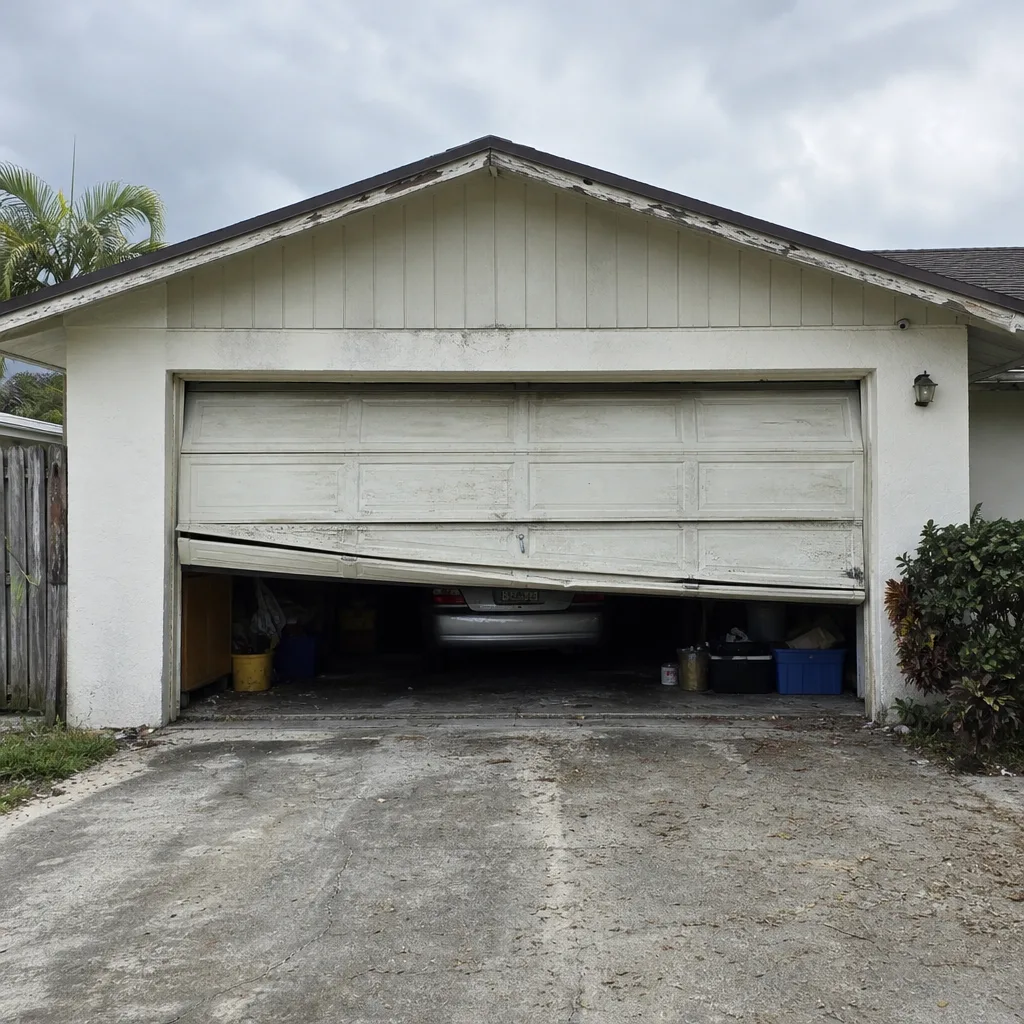 Before
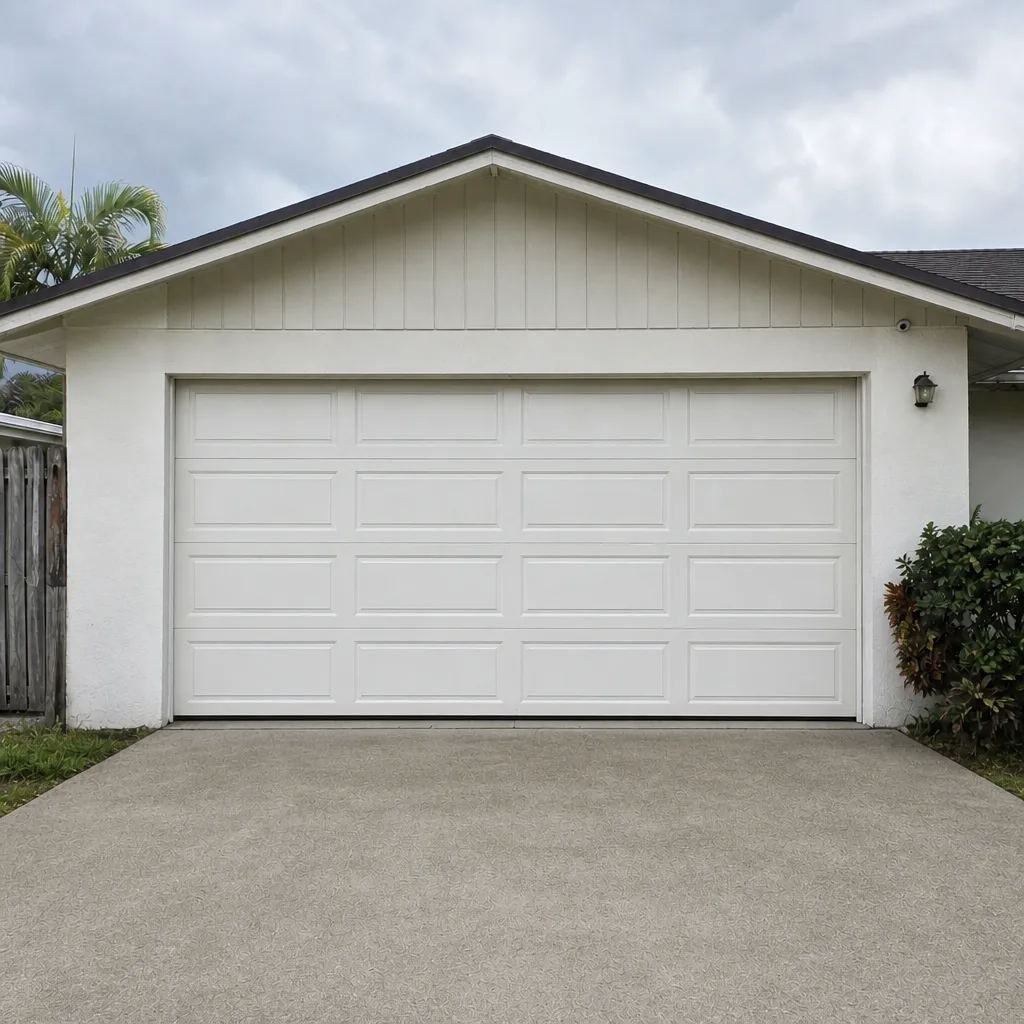 After
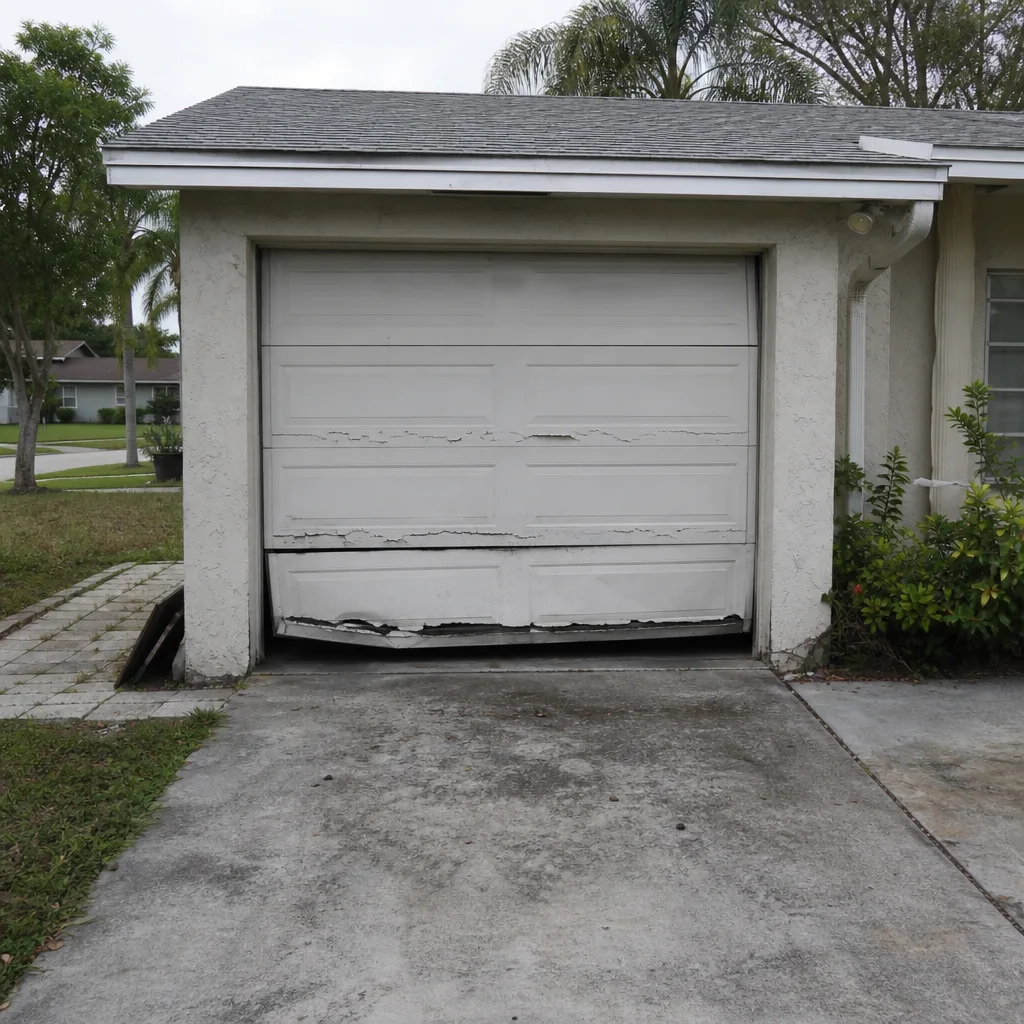 Before
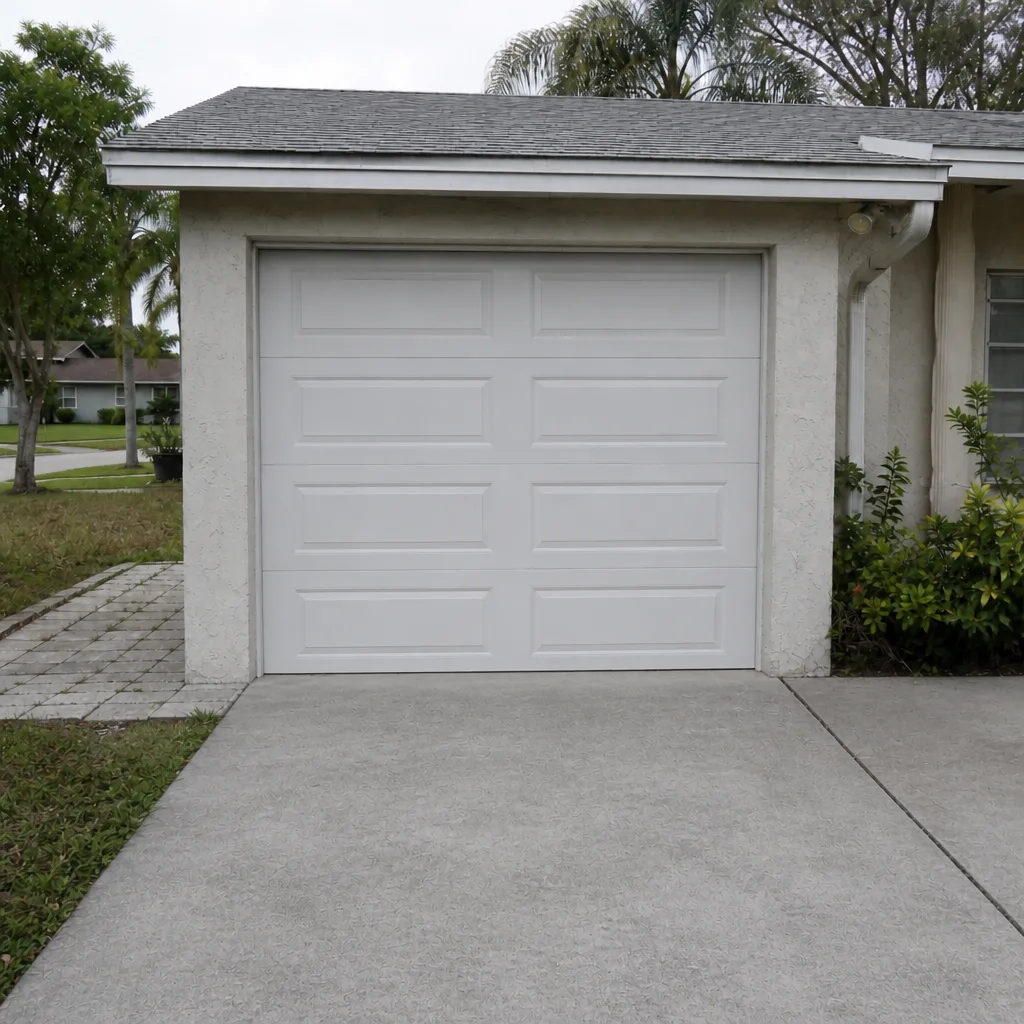 After
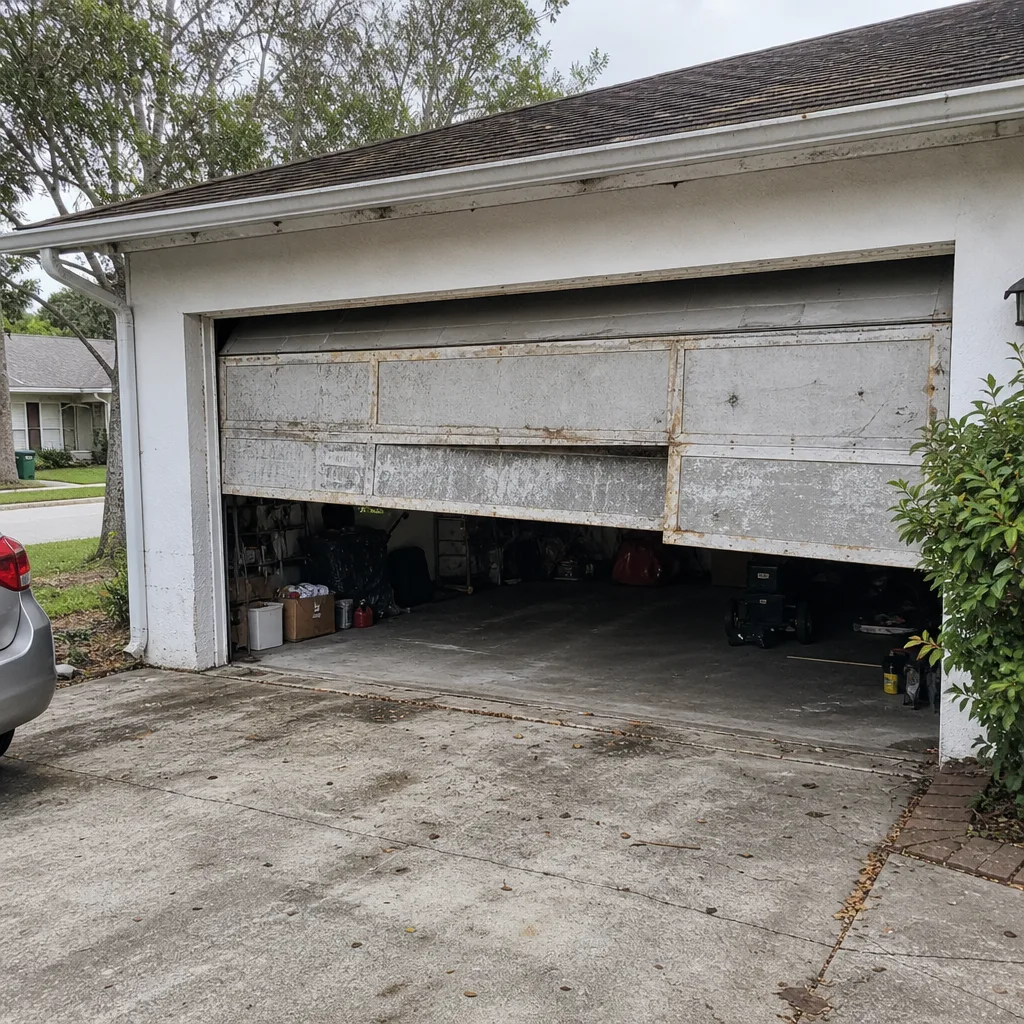 Before
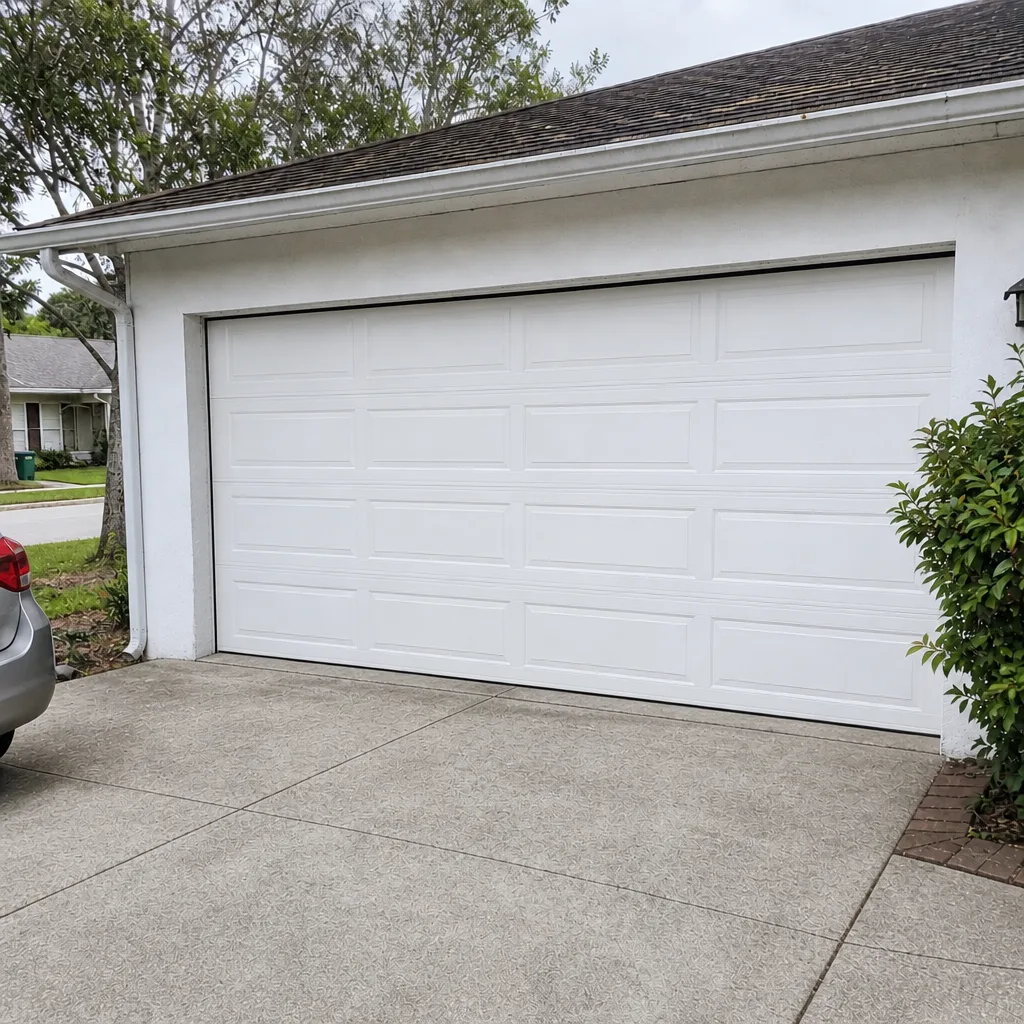 After
When to Call a Professional
Some garage door problems are maintenance you can handle. Others are genuinely dangerous or need a trained eye. Call a professional when a spring snaps or looks badly rusted, when a cable is frayed or loose, when the door comes down unevenly or won’t stay up, when an opener reverses without reason or won’t respond to its remote or app, and when you’re unsure whether the hardware meets local wind-load requirements. In our experience, the earlier a technician looks at a suspicious part, the more of the door you get to keep. Deerfield Beach Garage Door Repair Pros offers free estimates in Deerfield Beach – call (855) 210-1282. Our technicians have up to 12 years of experience and work on eight major brands, including LiftMaster, Chamberlain, Genie, Clopay, Amarr, Wayne Dalton, Craftsman and Raynor, so they arrive already familiar with what’s in your garage.
Frequently Asked Questions
Springs in Deerfield Beach generally wear out faster than manufacturer estimates assume because year-round humidity and corrosion speed the process. The lifespan depends on how often the door cycles and how well the springs are lubricated, so treat any visible rust or uneven door movement as a sign to have them checked. Call (855) 210-1282 for a free estimate.
South Florida’s wind-load requirements under the Florida Building Code generally call for doors and hardware rated for the pressures your property faces, so a wind-rated door is usually the right choice. Requirements vary by location and structure, so confirm the specifics with your city’s building department before you buy or replace.
Galvanized steel with a heavier gauge and good edge protection, aluminum, and quality composite all hold up well in South Florida humidity if they’re specified correctly. What fails fastest is thin steel with exposed seams at the bottom, so gauge and coating matter more than style.
No. Garage door springs are under extreme tension and handling them without training and the right tools can cause serious injury. Spring repair is a job for a trained technician. If a spring has snapped, keep the door closed and call a professional.
An uneven or reversing door can point to a worn spring or cable, a problem with the door’s balance, or an opener issue including a misaligned sensor. It needs a proper diagnosis, since the fix differs depending on the cause. Call (855) 210-1282 to have it looked at.
Keep the moving metal parts lubricated, watch for rust at the bottom section, check that water drains away from the door, and have springs and cables inspected before they fail. Attention to moisture and corrosion is what extends a door’s life in Deerfield Beach.
The Bottom Line
Garage doors in Deerfield Beach face a different set of enemies than the ones most guides warn about. Moisture, humidity, storm-driven rain and corrosion – not freezing cold – are what wear down springs, cables, rollers and the bottom of your door. Steel needs the right gauge and coating, aluminum and composite have their place, wind-load requirements under the Florida Building Code shape which hardware belongs on your door, and component lifespans run shorter than manufacturer estimates assume. Pay attention to where water goes on your property, how much sun hits the door, and whether the metal parts are properly lubricated and inspected. Repair what’s worn and keep a sound door working. That’s the approach that holds up here.
If your door or opener needs attention, Deerfield Beach Garage Door Repair Pros offers free estimates in Deerfield Beach – call (855) 210-1282 for a free estimate and get back on track today.
Written by the team at Deerfield Beach Garage Door Repair Pros.